Protecting Antiques During Notting Hill Moves
Posted on 02/06/2026
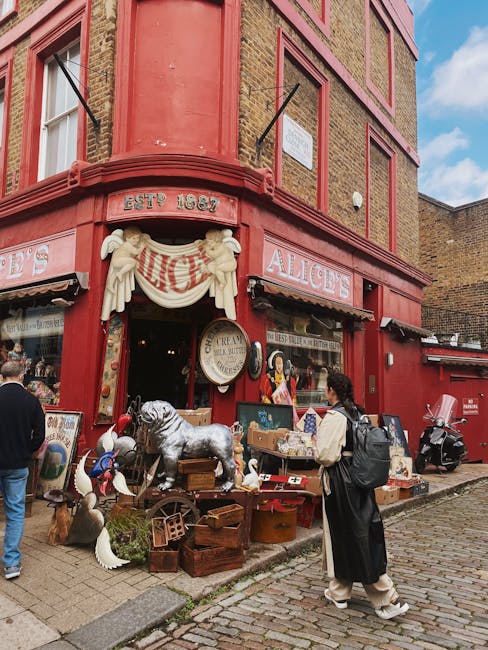
Protecting Antiques During Notting Hill Moves: A Practical Guide for Safe, Careful Relocation
Moving antiques is never just another box-ticking task. If you are planning a move in Notting Hill, you already know the streets can be tight, the stairs can be awkward, and the little details matter more than they do with everyday furniture. Protecting antiques during Notting Hill moves means thinking ahead about fragility, finish, value, provenance, and access. One wobble in a narrow hallway or one poorly packed mirror can turn a careful move into an expensive regret.
This guide walks you through the whole process in plain English: why antiques need special handling, how the protection process works, what materials and methods actually help, and where people most often go wrong. You will also find a checklist, a comparison table, and a realistic example from a Notting Hill-style move. If you are also arranging wider household logistics, it may help to review packing and box options for a Notting Hill move, insurance and safety guidance, or the broader removal services in Notting Hill before you start.
Let's face it: antiques do not forgive much. But with the right preparation, most of the risk is manageable. And yes, that includes the odd awkward cabinet that looks impossible until it's properly measured and wrapped.
Why Protecting Antiques During Notting Hill Moves Matters
Antiques are usually valuable for more than one reason. There is the obvious financial value, of course, but also the emotional side, the family story, the history, and sometimes the simple fact that you could never replace the piece exactly as it is. A chipped Georgian table leg, a cracked veneer on a Victorian chest, or a damaged oil painting is not just a cosmetic issue. It can affect value, authenticity, and how the piece sits in your home afterwards.
Notting Hill brings a few extra moving challenges into the mix. The area is known for elegant period properties, basement flats, upper floors, shared entrances, and streets where parking is... let's say not always generous. A move that would be straightforward on a wide suburban road can become more delicate here, especially if your antique has to pass through tight staircases, front steps, or busy loading areas. If you have ever tried to pivot a long cabinet in a hallway that feels a bit too narrow for comfort, you will know exactly what I mean.
There is also the timing issue. Moves in London are often compressed into short windows, and that pressure can lead to rushed handling. Rushed handling is the enemy of antiques. The better approach is to slow the process down at the planning stage so the actual moving day can be calm, efficient, and controlled. That, more than anything, is what protects the piece.
Expert summary: antique protection is not just about wrapping items well; it is about matching the packing method, transport plan, access route, and handling approach to the specific object and property layout.
How Protecting Antiques During Notting Hill Moves Works
Good antique protection follows a simple logic: assess the item, prepare the item, protect the item, move the item, and then unpack it safely. The details change depending on whether you are moving a mirror, a sideboard, a marble-top table, ceramic ornaments, framed art, or a clock with delicate internal parts. But the workflow stays much the same.
1. Assess the object properly
Before anything gets wrapped, you need to know what you are dealing with. Ask a few practical questions: Is it solid wood or veneered? Does it have loose joints? Are there handles, glass inserts, protruding feet, or brittle decoration? Is the finish old, waxed, painted, gilded, lacquered, or polished? The more specific the assessment, the safer the move.
2. Record condition before moving
Take clear photos from several angles. This is sensible for your own records, and it also helps if there is a dispute later. Focus on existing marks, cracks, scratches, and any previous repairs. A two-minute photo session now can save a lot of faff later.
3. Choose the right packing materials
Not all wrapping is equal. Soft acid-free tissue is often preferable for delicate surfaces, while bubble wrap can be useful for impact protection if it is used properly and not pressed directly against fragile finishes for long periods. Corner protection, double-walled boxes, furniture blankets, and sturdy tape all matter. The goal is to stop movement, prevent abrasion, and absorb shocks.
4. Stabilise and secure the item
Loose parts should be removed where possible and packed separately. Drawers may need to be emptied or secured shut. Glass should usually be protected with an X or cross of tape only when appropriate and never as a substitute for proper packing. Doors may need to be tied, padded, or removed. If you are unsure, it is often safer to ask for professional handling rather than improvise.
5. Plan the route, not just the box
This is where Notting Hill specifics really matter. Measure doorways, stair turns, banisters, lifts, and access points. If a piece needs to go through a basement hallway or down a steep staircase, the route should be checked before moving day. For local route and loading considerations, it can also help to read practical location guidance such as moving from Portobello Road and best routes and parking around Ladbroke Grove.
6. Use careful loading and unloading
Antiques should not be used as "fillers" between heavier items. They need a stable position in the van, ideally with soft separation and minimal vibration. Loading should be done with clear sequencing: heavier, less fragile items first; antiques secured once the space is ready. Unloading is the reverse, but slower. A fresh delivery smell from varnish or old wood can be oddly reassuring, but only if the object arrives intact.
Key Benefits and Practical Advantages
The obvious benefit is damage prevention. Still, the practical advantages go further than that. When antiques are handled properly, the entire move usually feels calmer and more organised. There is less last-minute panic, fewer awkward delays, and a much lower chance of needing emergency repairs afterwards.
- Reduced breakage risk: Proper wrapping and securing protects against knocks, vibration, and pressure.
- Better value preservation: Original condition is easier to maintain, which matters for resale and sentimental value alike.
- Less stress on moving day: Everyone knows what to do, and there is less guesswork.
- Cleaner unpacking: Good labelling and separated parts make reassembly easier.
- More suitable for tight access: In period Notting Hill homes, a measured plan can save time and avoid awkward manoeuvres.
There is another benefit people often miss: confidence. When you know your antiques are packed correctly, you can focus on the move itself instead of hovering over every item like a worried museum curator. Truth be told, that peace of mind is worth a lot.
Who This Is For and When It Makes Sense
This kind of careful approach makes sense for anyone moving items that are old, fragile, awkwardly shaped, or hard to replace. That includes private homeowners, landlords moving inherited pieces, collectors, interior designers, and anyone relocating from a Notting Hill flat with narrow stairs and a bit too little landing space.
It also makes sense if the antique has one or more of the following characteristics:
- glass, mirrors, porcelain, or ceramic components
- loose joints or delicate joinery
- gilded, painted, lacquered, or veneered surfaces
- family provenance or high sentimental value
- unusual dimensions that make handling awkward
- mixed materials, such as wood with metal fittings or marble tops
Some people assume antiques only need special care if they are extremely valuable. Not quite. Even a modest side table can be difficult to repair if the original finish is damaged. And if the piece has been in the family for generations, replacing it is not the point anyway.
If you are moving a whole property with mixed contents, the broader moving plan matters too. Pages like house removals in Notting Hill and flat removals in Notting Hill can help you think about the move as a whole rather than item by item.
Step-by-Step Guidance
Here is a clear process you can follow. It is practical, not fancy. And that is usually what works best.
- List every antique item. Include size, material, condition, and any known weak points.
- Take photos and note condition. Capture existing wear before packing starts.
- Measure access points. Check doors, corridors, stair turns, and the van loading area.
- Decide whether the item should be dismantled. Remove legs, shelves, glass panels, or detachable parts where appropriate.
- Select materials. Use soft wraps, blankets, sturdy cartons, corner guards, and labels.
- Wrap in layers. Protect the surface first, then add cushioning, then secure it all neatly.
- Label clearly. Mark fragility, orientation, and room destination.
- Prepare the van load. Make sure the antique will not be crushed or shifted during transit.
- Move slowly through the property. One person leads, one guides, one spots obstacles if needed.
- Unpack immediately on arrival. Do not leave antiques sitting in a hallway or damp basement area overnight.
A useful tip: if an item feels "nearly too awkward," treat it as too awkward. That is often the point where a bit of professional planning saves a lot of trouble. It sounds simple, but a surprising number of moving mishaps begin with the words, "It'll probably be fine."
Expert Tips for Better Results
These are the details that make a real difference. They are the kind of things experienced movers tend to do almost automatically.
Use breathable protection where needed
For some antiques, especially items with older finishes, it is better to avoid trapping moisture against the surface. Breathable wrapping can help in those cases. This matters more than most people realise, especially if the item may sit in storage for a short time before unpacking.
Separate protection by material
Wood, glass, marble, brass, and fabric each behave differently. A wool-wrapped dining chair and a marble plinth do not need the same approach. Matching the material to the protection method is a simple way to reduce risk.
Keep hardware and small parts together
Screws, keys, shelf pegs, and fittings should be bagged, labelled, and taped to the relevant item or stored in a clearly marked container. Nothing delays reassembly like a mystery bag of bits. It happens more often than people admit.
Build in extra time for period properties
Notting Hill homes often have character, which is lovely, but that character can mean awkward turns, uneven floors, or narrow staircases. Add a little time margin. Not lots. Just enough that nobody starts hurrying because the slot is tight.
Protect corners and feet first
Most damage starts at the edges. Corners, feet, handles, and protruding mouldings should get extra attention. If a piece has decorative carving or delicate ornament, create a buffer zone around it instead of pressing wrap directly onto the detail.
Use a sensible loading order
Place antiques where they will not be crushed or vibrated excessively. They should not be wedged against unstable items or stacked under heavy boxes. A stable, padded area in the van is worth the effort.

Common Mistakes to Avoid
Some mistakes are classic. You see them a lot, and they usually come from trying to save time.
- Wrapping too tightly: Pressure can damage delicate finishes or decorative elements.
- Using the wrong tape: Sticky tape on old finishes is a bad idea. It can leave residue or lift surface material.
- Skipping measurements: Guessing your way through narrow Notting Hill access is how things get stuck halfway up a staircase.
- Leaving drawers and doors loose: Movement inside the item can do just as much harm as outside knocks.
- Packing antiques with heavy general goods: Mixed loads are a common source of hidden damage.
- Ignoring humidity and storage conditions: Some antiques need dry, stable conditions rather than a damp corner.
- Not labelling delicate items clearly: If a mover cannot see the warning, they may assume standard handling is fine.
And here is one more, slightly obvious but still worth saying: do not leave valuable items until the last five minutes. That is when rushed hands and poor decisions start creeping in.
Tools, Resources and Recommendations
You do not need a warehouse full of specialist gear, but a few well-chosen tools make the job much easier.
| Tool or material | Best used for | Why it helps |
|---|---|---|
| Furniture blankets | Cabinets, tables, framed items | Cushions impacts and prevents scuffs |
| Acid-free tissue | Delicate surfaces, paperwork, decorative finishes | Reduces abrasion and helps protect old materials |
| Bubble wrap | General impact protection for robust items | Helps absorb knocks when used correctly |
| Corner protectors | Frames, boards, sharp-edged furniture | Protects the most vulnerable points |
| Sturdy cartons | Smaller antiques, accessories, ornaments | Creates a stable outer layer |
| Soft straps and ties | Securing doors, drawers, and loose parts | Stops movement during handling |
| Labels and markers | Organisation and handling instructions | Helps everyone move the item correctly |
If you need help organising packing supplies or want a more structured approach, our packing and boxes guidance is a sensible next step. For items that need more than standard handling, specialist pages such as piano removals in Notting Hill can also be useful because the same careful loading mindset applies.
For storage gaps between move-out and move-in, it may be worth looking at storage options in Notting Hill. A short, dry, secure hold can be better than forcing fragile items through an inconvenient timeline.
Law, Compliance, Standards and Best Practice
For most homeowners, antique moving is less about formal regulation and more about applying good practice. Still, a trustworthy moving process should reflect sensible UK expectations around care, safety, transparency, and handling responsibilities.
That means a mover should be clear about what they can and cannot safely transport, how items will be handled, and what insurance or liability cover may apply. It also means risk should be assessed before lifting begins, especially where stairs, heavy items, or awkward access are involved. In a busy area like Notting Hill, this kind of planning is not just polite; it is part of doing the job properly.
If you are comparing providers, look for straightforward communication, transparent pricing, and documented safety practices. A company's health and safety approach and terms and conditions can tell you a lot about how carefully they work. You may also want to review payment and security information so you understand the commercial side before you commit.
For extra reassurance, ask how disputes are handled and what to do if something is not as expected. A clear complaints procedure is usually a sign of a more mature, customer-focused operation.
Options, Methods and Comparison Table
There is more than one way to move antiques, and the best choice depends on the item, the property, and how much risk you are willing to carry yourself. Here is a simple comparison.
| Method | Best for | Pros | Watch out for |
|---|---|---|---|
| Standard self-packing | Small, sturdy antiques | Lower cost, flexible timing | Higher risk if materials or technique are weak |
| Professional packing only | Fragile or high-value items | Better protection and structure | Still requires a safe transport plan |
| Full removal service | Mixed household moves with antiques | Most convenient, coordinated handling | Needs clear briefing about the antiques |
| Temporary storage first | Moves with timing gaps | Useful when dates do not line up | Storage conditions must suit the items |
In practice, many people use a mixed approach: they pack the less sensitive items themselves, then hand over the really awkward or valuable pieces for more careful handling. That is often the sweet spot. Not too hands-off, not too DIY-happy.
Case Study or Real-World Example
Picture a fairly typical Notting Hill move: a two-bedroom flat, some standard furniture, a grandfather clock, a pair of framed prints, and a sideboard inherited from a relative. The clock is tall and heavy at the base, the sideboard has veneer that would dislike careless tape, and the prints need flat, secure protection rather than generic box packing.
The first step is to separate the antiques from the rest of the contents and photograph them. Next, the clock gets checked for loose components and secured so the door does not swing open during lifting. The sideboard is wrapped in blankets and corner protection, then handled by two people through the narrow hallway rather than dragged or tilted unnecessarily. The prints are packed flat with rigid backing to stop bending. During loading, these items are placed in the van so heavier boxes cannot shift onto them.
The move is uneventful, which is exactly the point. No drama. No chipped corners. No frantic search for a missing key or a cracked frame. The family gets to unpack that same evening with their pieces intact, and the inherited sideboard still looks like itself. Quiet win.
That kind of result usually comes from three things: planning the route, packing correctly, and not underestimating the awkwardness of older furniture. Small details, big difference.
Practical Checklist
Use this checklist before your moving day. It keeps the process grounded and stops the last-minute scramble.
- Photograph each antique from multiple angles
- Note any existing damage or previous repairs
- Measure doorways, stairs, lifts, and loading access
- Remove loose parts and store them safely
- Choose protective materials suited to the item
- Wrap vulnerable corners, edges, and surfaces first
- Label items clearly as fragile and orientation-sensitive
- Separate antiques from heavy or unstable goods
- Confirm where each item will be placed in the van
- Check whether storage is needed between move-out and move-in
- Review insurance, safety, and moving terms in advance
- Unpack and inspect items as soon as they arrive
Quick reminder: the safest move is usually the one where every step is boringly prepared. Boring is good here.
If you are arranging broader relocation support, you may also want to read about man and van services in Notting Hill, removals in Notting Hill, or who we are to see how the service is structured.
Conclusion
Protecting antiques during Notting Hill moves is really about respect: respect for the item, respect for the building, and respect for the move itself. A careful plan, the right materials, and calm handling make a much bigger difference than brute force or last-minute improvisation ever will.
Whether you are moving a single treasured piece or an entire home full of period furniture, the best outcome comes from treating every antique as something specific, not something generic. That is especially true in Notting Hill, where access can be tight, properties can be characterful, and a "quick lift" can suddenly become a very bad idea.
Take your time with the prep. Measure twice. Wrap properly. Label clearly. It sounds almost too simple, but it works.
If you would like help planning a careful move, it is worth speaking to a local team that understands both antiques and the practical realities of moving around W11. See the available moving services and choose the level of support that feels right for your items and your timetable.
Get a free quote today and see how much you can save.


 CALL US NOW


