How We Clear a 2-Bed Flat on Portobello Road in a Day
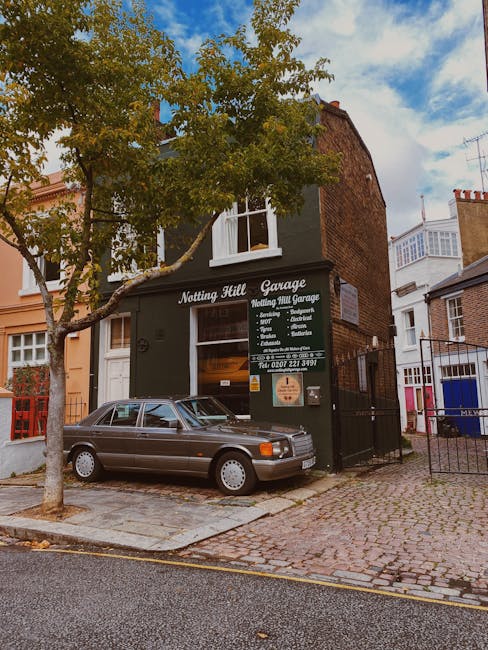
If you need a flat cleared quickly in Notting Hill, the idea of doing it all in one day can feel a bit ambitious at first. But with the right planning, the right team, and a realistic approach to access, parking, and sorting, How We Clear a 2-Bed Flat on Portobello Road in a Day becomes very doable. In our experience, the difference between a stressful rush and a smooth, same-day clearance usually comes down to preparation and local know-how. Portobello Road is lively, busy, and not exactly forgiving when it comes to loading space. That means the job is never just about lifting items out of a flat. It is about timing, access, and making smart decisions on the spot.
This guide walks you through what the process actually looks like, who it suits, where the common snags are, and how to keep the day moving. If you are dealing with a move, probate clearance, end-of-tenancy situation, or just a flat that has become too full, you will find practical answers here. Truth be told, the clock matters - but so does calm, methodical work.
Why How We Clear a 2-Bed Flat on Portobello Road in a Day Matters
A two-bedroom flat on Portobello Road often looks straightforward from the outside. Inside, though, you can find a mix of furniture, boxes, kitchen items, soft furnishings, books, wardrobe contents, old appliances, and all the little things people forget until the last minute. That is normal. It is also why same-day clearances matter so much. People rarely choose them for fun. Usually, there is a deadline breathing down their neck.
Maybe the tenancy ends tomorrow. Maybe the sale completion is finalised. Maybe you are helping a relative and the property needs to be handed back in tidy condition. Or maybe you are simply staring at a flat that has reached its limit and thinking, where do we even start? In situations like that, speed is useful, but only if it is controlled. A rushed clearance with no system can create damaged walls, missed items, frustrated neighbours, and a second visit you did not want. Not ideal, to be fair.
Portobello Road adds another layer. It is a well-known, busy stretch with narrow access points, foot traffic, and the usual London moving headaches: parking restrictions, tight stairwells, and awkward loading windows. So a one-day clearance is not just a time-saving option. It is often the safest way to avoid dragging the job out over several days, which can be disruptive for you and inconvenient for everyone else in the building.
Practical takeaway: same-day flat clearance is less about speed alone and more about a clear plan, efficient sorting, and a team that knows how to work in a tight urban setting without making a mess of the place.
How How We Clear a 2-Bed Flat on Portobello Road in a Day Works
The process starts before anyone lifts a sofa. That is the part many people do not see. A proper same-day clearance usually begins with a quick assessment of the flat, the access route, the volume of belongings, and any items that need special handling. The goal is simple: work out what is going, what is staying, what can be donated or recycled, and what needs more careful disposal.
On the day, the crew usually works in a sequence that keeps the flat liveable for as long as possible while still moving quickly. Larger items come out first if they are blocking access. Smaller items are bagged or boxed in categories, often room by room. Good teams keep a mental map of the job, which sounds obvious until you have seen a clearance where everything is piled into one hallway. That gets messy fast.
In a Portobello Road setting, the schedule is often shaped by the building and the street itself. Loading may need to happen in short bursts. If parking is tight, items are staged near the entrance so the van can be loaded efficiently once space is available. If there is a lift, it is used carefully. If there is no lift, stair carrying has to be planned so nobody is trapped behind a wardrobe on the third floor. And yes, that does happen.
Here is the usual flow:
- Initial walkthrough: identify the scope, access, and any fragile or high-value items.
- Room-by-room sorting: separate keep, remove, recycle, donate, or dispose.
- Safe dismantling: break down bulky furniture when needed to protect walls and improve handling.
- Protected removal: move items carefully through stairwells, corridors, and communal areas.
- Loading and segregation: keep reusable, recyclable, and waste items organised.
- Final sweep: check cupboards, behind doors, and under beds so nothing is left behind by mistake.
The best clearances feel calm, even if the flat is full. That is usually a sign the team is working methodically rather than rushing in a chaotic sort of way.
Key Benefits and Practical Advantages
There are several good reasons people choose a one-day flat clearance instead of stretching it out. The obvious one is time. But there are a few less obvious advantages that matter just as much, especially in central London.
1. Less disruption
One-day work means you are not living around stacks of furniture, bags, and boxes for a week. If you have neighbours, landlords, agents, or family members involved, that matters. A flat that is cleared in a day also tends to feel less emotionally heavy. You get closure faster. That is real, even if it sounds a little sentimental.
2. Better control over the property
When belongings are cleared quickly and consistently, there is less chance of something being misplaced, forgotten, or damaged. If the flat is being handed over, this helps with readiness and tidiness.
3. Cleaner sorting decisions
It is easier to decide what to keep when the process is structured. You are less likely to delay decisions indefinitely, which can happen when clear-outs drag on. We have all seen the "I'll sort that later" pile. It grows, naturally.
4. Less risk of repeat access problems
On a street like Portobello Road, multiple visits can be awkward. Parking, permits, and timing can become a headache. Consolidating the job into one visit is often more practical than splitting it into several smaller ones.
5. A better environmental outcome
When items are sorted properly, reusable pieces can be separated from general waste, and recyclable materials can be handled more responsibly. If you are trying to minimise what goes to landfill, a planned clearance makes that easier. You can read more about our approach to recycling and sustainability if that matters to you, and for many people it does.
| Benefit | Why it matters in a 2-bed flat | Typical impact |
|---|---|---|
| Speed | Reduces disruption and deadline stress | Clearance completed in one visit |
| Organisation | Prevents confusion over keep/remove items | Cleaner, faster decisions |
| Access planning | Useful on busy streets with limited loading space | Fewer delays |
| Waste separation | Helps recycle and donate where possible | Less unnecessary disposal |
| Peace of mind | Especially useful for sensitive situations | Less stress overall |
Who This Is For and When It Makes Sense
Same-day clearance is not for every situation. Sometimes a slower approach is better. But when the timing is tight and the property is manageable in size, it can be the cleanest solution. A two-bedroom flat is often the sweet spot for a one-day job, provided the contents are not extreme and access is workable.
This service tends to make sense for:
- tenants who need the property emptied before move-out or inspection
- landlords preparing a flat for new occupants
- families handling a probate or estate clearance
- homeowners selling a property and needing it cleared quickly
- people downsizing and wanting a fast, organised reset
- anyone with bulky items, mixed waste, or too much furniture for a regular car load
It can also be useful if you are trying to combine a clearance with a move. In those cases, a service like flat removals can make the transition feel less chaotic, especially if you are taking some items with you and clearing the rest.
When does it make less sense? If the property contains a huge volume of items, difficult access, or specialist removals such as pianos or oversized antiques, you may need a more tailored plan. A sensible team will say that plainly rather than pretending every job fits the same box. That honesty matters.
Step-by-Step Guidance
If you want the day to run smoothly, start with the prep. A good clearance is won before the van arrives. Here is how we normally approach it.
1. Confirm the scope of the job
Walk through the flat and identify everything that needs to go. Be specific. A vague "mostly everything" is workable in conversation, but it is not great for planning. Separate items into three groups: keep, remove, and unsure. If there are sentimental items, set them aside early. People often forget about documents, photo albums, keys, jewellery, and small valuables until the last second.
2. Check access and parking
Portobello Road can be busy, and access details can change how quickly the job moves. Ask yourself: where can the van stop, how far is the carry distance, and is there a lift? Are there stairs that turn tightly? Is the building entrance shared? These little details matter more than most people expect. If parking or loading restrictions are likely, it is worth planning for them in advance rather than discovering the problem with a sofa halfway through the hall.
3. Protect the route
Good crews take care with floors, walls, bannisters, and door frames. In Victorian or older conversions, that care is not optional. You would be surprised how easily a painted corner can scuff when a wardrobe is being manoeuvred through a narrow landing. A few simple protections go a long way, and they often prevent awkward conversations later.
4. Sort as you go
This is where the job stays efficient. Don't create one giant mountain in the hallway. Separate waste streams as you work: reusable items, recyclable material, general waste, and anything with special handling needs. If the flat has mixed contents, this step saves time at the vehicle and on the disposal side too.
5. Remove the bulky pieces first
Large furniture often dictates the flow of the entire clearance. Sofas, wardrobes, bed frames, tables, and heavy appliances can block paths if left too late. Once the biggest items are out, the rest of the flat usually feels lighter and faster to finish. Funny how that works.
6. Do a final sweep
Before leaving, check every cupboard, shelf, drawer, and awkward corner. Look behind doors and under beds. It is remarkable how often one missing bag turns up at the very end. The last sweep is the difference between a clearance that feels finished and one that feels a bit off.
Expert Tips for Better Results
After enough clearance jobs, a few patterns become very clear. The smooth ones tend to share the same habits.
Label anything you want to keep. It sounds basic, but it helps avoid accidental removal. Sticky notes, bags, or a simple "stay" pile in one room can save confusion later.
Separate paperwork and personal items early. These are easy to overlook in a hurry, especially in a flat that has not been fully sorted for a while. Keep them in one place from the start.
Tell the crew about delicate items upfront. If there are mirrors, glass tables, artwork, or unusual furniture pieces, say so early. Surprises slow things down, and not in a charming way.
Be realistic about what can be done in one day. A one-day clearance is efficient, but it is still governed by access, volume, and the building. Sometimes the smartest decision is to stage part of the job and finish with a short follow-up. That is better than forcing a bad all-in approach.
Plan around the street, not just the flat. On Portobello Road, the outside matters almost as much as the inside. Traffic, pedestrians, and neighbour access can all affect the pace. A clearance team with local experience will usually factor that in before the first box is moved.
Ask about insurance and safety practices. This is not overcautious. It is sensible. If a team is moving heavy items through communal space, you want to know they operate with care. If you are comparing service options more broadly, the company's insurance and safety information is worth a look.
Use the day to make decisions, not excuses. A flat clearance can become emotional very quickly. That is human. But the more decisively you choose, the smoother the day will go. Keep, remove, donate, dispose. Simple words, big effect.
Expert summary: the best same-day clearances are not rushed; they are sequenced. That is the real secret. Order first, speed second.
Common Mistakes to Avoid
Most problems on a same-day flat clearance are avoidable. The tricky part is that they often look small at the start.
- Leaving sorting until the crew arrives. This slows everything down and increases decision fatigue.
- Forgetting about parking or loading constraints. In a busy street like Portobello Road, this can affect the whole schedule.
- Assuming every item can just be thrown together. Mixed waste, reusable furniture, and sensitive items should not all be handled the same way.
- Not measuring large furniture. A wardrobe that looks manageable in theory can become a nuisance in a narrow stairwell.
- Overlooking communal areas. Hallways, entrances, and shared staircases need care too.
- Ignoring what you want to keep. One rushed bag can contain a passport, keys, or a photo album. Nobody enjoys that conversation.
There is also the emotional mistake: trying to do too much alone. If the flat is full, tired, or tied to a life event, it is reasonable to ask for help. That is not weakness. It is just practical.
Tools, Resources and Recommendations
A proper clearance uses the right kit, but more importantly, it uses the right judgement. The tools are there to make the work safer and cleaner, not just faster.
Useful equipment often includes:
- protective gloves and sturdy footwear
- trolley or sack truck for heavy loads
- blankets and straps for furniture protection
- boxes or sacks for sorting
- floor coverings for hallways and entrances
- basic tools for dismantling beds, tables, or wardrobes
On the planning side, it helps to use a simple room checklist before the team arrives. A quick note on each room can prevent oversights. If you are moving items as well as clearing them, packing and boxes support can be useful for fragile or keep items. And if the flat contains furniture you no longer need, furniture removals may be the cleaner route for bulky pieces that deserve more careful handling.
For people comparing service styles, it can also help to understand how a van-based clearance differs from a broader removals crew. There is a useful overview in compare man with van vs removals crew in Notting Hill. It gives a good sense of when lighter, faster support makes more sense than a full-scale move team.
And if you are mainly trying to understand costs, the clearest next stop is usually pricing and quotes. Clear pricing is always easier to work with than guesswork. Always.
Law, Compliance, Standards, or Best Practice
For any flat clearance in London, compliance is not just a box-ticking exercise. It affects safety, responsibility, and how smoothly the job runs. While the exact details can vary depending on the property, the waste type, and the access situation, there are a few practical principles worth keeping in mind.
Waste handling must be responsible. Items removed from a flat should be sorted and disposed of appropriately. General waste, recyclable materials, and reusable goods should not all be treated as the same thing. If you are clearing items with electrical components, breakables, or anything unusual, extra care is sensible.
Safety in shared buildings matters. Stairwells, lifts, entrances, and communal corridors should be protected where possible. That reduces the chance of damage and helps maintain good relations with neighbours and building management.
Insurance is worth checking. If a team is working inside your property and in shared spaces, you want the reassurance that they operate with proper cover. Not because you expect problems, but because professional work should come with professional safeguards.
Best practice beats guesswork. A team should communicate clearly, handle items carefully, and avoid creating hazards during loading. This is especially relevant in older buildings where floors, doors, and plasterwork can be a little unforgiving. The job should feel controlled, not improvised.
For more detail on the company's approach to responsible work, you can review the health and safety policy and the wider terms and conditions. That kind of transparency is useful, even if you only glance at it briefly.
Options, Methods, or Comparison Table
Different clear-out methods suit different circumstances. A same-day two-bedroom flat clearance is often the most efficient option, but it helps to compare it with the alternatives.
| Method | Best for | Pros | Trade-off |
|---|---|---|---|
| Same-day flat clearance | Urgent deadlines, manageable volume | Fast, tidy, less disruption | Needs good planning and access |
| Staged clearance over multiple visits | Large volume, emotional sorting, restricted access | More time to decide what stays | Longer disruption and more coordination |
| DIY clearance | Very small jobs with easy access | Lower immediate spend | Time-consuming, tiring, and risky for bulky items |
| Mixed approach | Partial removals plus selective disposal | Flexible and efficient | Needs clear instructions to avoid mistakes |
For many Portobello Road flats, the mixed approach is actually the most sensible. Keep some items, move some, clear the rest. That balance often gives the best result without turning the day into a marathon. If your job also involves an office, studio, or business premises, the same logic applies to office removals and commercial moves, where planning and timing are just as important.
Case Study or Real-World Example
Here is a realistic example based on the sort of work we regularly see. A two-bedroom flat off Portobello Road had a mix of everyday furniture, boxed belongings, old kitchen items, a bed frame, shelving, bags of clothing, and a few bulky pieces that had been moved from room to room for months. The tenant needed the property empty by the end of the day. No drama, just a hard deadline.
The first thing we did was split the contents into keep, remove, and review piles. One small pile of documents and personal items was set aside immediately. That sounds minor, but it saved hassle later. We then removed the larger furniture pieces first, because they were blocking the easiest routes through the flat. Once those were out, the rest moved much faster. By mid-afternoon, the flat was mostly clear, and the final sweep caught a couple of items tucked away in a wardrobe shelf and behind the sofa. Easy to miss if you are not looking carefully.
The tricky part was the street access. Portobello Road can be awkward for loading, especially when traffic is steady and pedestrians are constantly passing. We used a tighter loading rhythm, kept the route clear, and made sure the items staged inside did not block the hallway. It was one of those jobs where patience actually sped things up. Sounds odd, but there it is.
The result was a fully cleared 2-bed flat in a single day, ready for handover. No fuss. No second visit. Just a clean finish and a relieved client.
Practical Checklist
Use this checklist to keep the day on track. It is simple, but simple works.
- Confirm what needs to be cleared and what must stay
- Set aside documents, valuables, and sentimental items early
- Check access, stairs, lifts, and parking restrictions
- Measure large furniture if there is any doubt about fit
- Protect floors, walls, and door frames where needed
- Keep recyclable, reusable, and general waste separate where possible
- Tell the crew about fragile or special items before the job starts
- Do a final room-by-room sweep before sign-off
- Make sure keys, remotes, and personal belongings are not left behind
- Keep communication open if anything changes during the day
If you want a smoother handover, it helps to think of the clearance as a sequence, not a single event. First the access. Then the sorting. Then the loading. Then the final check. Nice and steady. That rhythm works.
Conclusion
Clearing a 2-bed flat on Portobello Road in a day is absolutely possible, but it works best when it is treated as a planned operation rather than a last-minute scramble. The flat size is manageable. The street access can be challenging. The success comes from preparation, careful sorting, and a team that understands both the property and the location. That is really the heart of it.
If you are facing a deadline, the key is to keep the process calm and practical. Decide what stays, decide what goes, protect the property, and let the work unfold in a sensible order. It does not need to feel overwhelming. It just needs to be handled well.
Get a free quote today and see how much you can save.
And if you are still weighing up your options, that is fine too. A good clearance should make life easier, not louder. One clear day can make a surprisingly big difference.
Frequently Asked Questions
How long does it usually take to clear a 2-bed flat on Portobello Road?
In many cases, a 2-bed flat can be cleared in a single day if access is workable and the contents are reasonably organised. The exact timing depends on stairs, parking, lift access, and how much sorting is needed on the day.
What makes Portobello Road different from a normal street clearance?
Portobello Road can be busier and tighter than a typical residential street, which affects loading, parking, and pedestrian access. That means planning matters more than it might elsewhere.
Do I need to sort everything before the crew arrives?
No, but it helps a lot if you set aside keep items, valuables, and paperwork beforehand. The more sorted the flat is, the faster and smoother the clearance will be.
Can you clear furniture and small items on the same day?
Yes. In fact, most flat clearances involve both bulky furniture and smaller household items. The trick is to remove the large pieces first and then work through the rest systematically.
What happens to items that are still usable?
Reusable items are usually separated from general waste where possible. If something can be reused, donated, or handled more responsibly, it is better to keep it out of the waste stream.
Is same-day flat clearance suitable for a probate property?
It can be, provided the family or executor is ready to make decisions about what stays and what goes. Probate clearances often need a more careful approach because the contents may have personal or sentimental value.
How do you protect the flat during removal?
Protective coverings, careful lifting, and proper route planning are the main things. In older buildings especially, it is important to avoid scuffing walls, scratching floors, or marking bannisters.
What if there is no lift in the building?
That is common in London and usually manageable. The job may take longer, but a good team will plan the carry route and use the right equipment to keep the work safe.
Can I combine a clearance with a move?
Yes, and it is often a smart choice. Some items can be moved to your new place while the rest are cleared or disposed of, which saves time and keeps the day organised.
How should I prepare for the day if I am emotionally attached to the flat?
Go room by room and start with the least sentimental areas first. Keep a small box for personal keepsakes, and give yourself permission to pause when needed. It is a lot, no point pretending otherwise.
Are there items you cannot remove in a standard clearance?
Some items may need special handling depending on their size, material, or condition. If you have unusually heavy, delicate, or specialist items, mention them early so the plan can be adjusted.
How do I get started if I want a quote?
Start with the property size, access details, and a rough idea of what needs removing. A clear description helps you get a more accurate quote and avoids surprises on the day. If you want to compare options, the page on pricing and quotes is a sensible place to begin.