Disposing Bulky Waste in Notting Hill Without Fines
Posted on 18/06/2026
Disposing Bulky Waste in Notting Hill Without Fines: A Practical Local Guide
Bulky waste has a habit of turning up at the worst possible time. A broken wardrobe in the hall, an old mattress leaning against the wall, a sofa that nobody wants to wrestle down the stairs. In Notting Hill, where streets are tight and parking can be awkward, the wrong disposal choice can quickly become a fine, a complaint, or just a very stressful afternoon. This guide to Disposing Bulky Waste in Notting Hill Without Fines explains the safest, most sensible way to clear large items without creating problems for yourself or your neighbours.
Whether you are moving out, refurbishing a flat, clearing a rental, or simply trying to reclaim some space, the key is not just getting rid of the item. It is getting rid of it properly. That means understanding local expectations, knowing which items need special handling, and choosing a disposal method that fits both the road conditions and the rules. A little planning goes a long way. Truth be told, most bulky waste headaches are avoidable.
Why Disposing Bulky Waste in Notting Hill Without Fines Matters
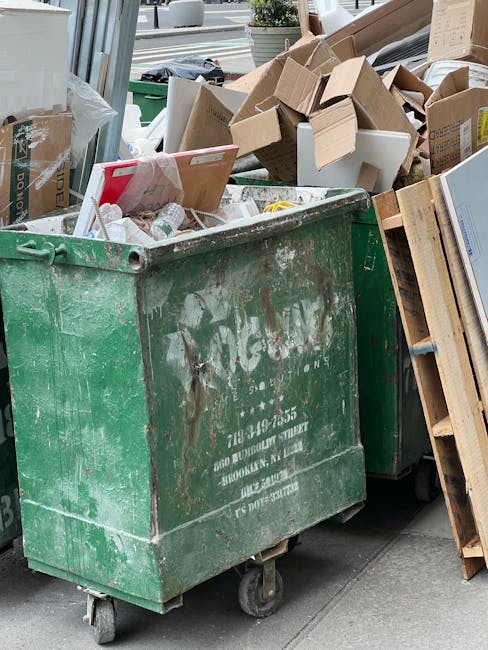
Bulky waste is not just "big rubbish". It usually includes items that are too large for normal household bins: beds, mattresses, wardrobes, tables, armchairs, broken appliances, exercise equipment, and similar awkward things that take up space and block access. In a place like Notting Hill, where basements, stairwells, shared entrances, and narrow pavements are part of everyday life, leaving large items out casually is a bad idea.
The risks are simple. You may attract complaints from neighbours. You may create an obstruction. You may hand waste to the wrong person and later discover it was fly-tipped. And if the item ends up in a public area without proper arrangement, the bill or penalty can become far more expensive than the disposal itself. Nobody wants that. Especially not after spending a whole Saturday dismantling a pine bed frame in the rain.
There is also the reputation piece, which people overlook. In a well-connected neighbourhood like Notting Hill, shared living, rental turnover, and property standards matter. Landlords, tenants, homeowners, and business operators all benefit from keeping waste removal tidy and lawful. If you are planning a move, you may also want to read removals in Notting Hill to see how bulky item clearance can be timed with a larger move.
Practical takeaway: the cheapest-looking option is not always the least expensive. If a disposal method risks fines, delays, or repeat trips, it usually stops being cheap very quickly.
How Disposing Bulky Waste in Notting Hill Without Fines Works
At a basic level, bulky waste disposal works in one of four ways: you separate and prepare the items, you choose the right disposal route, you arrange collection or transport, and you make sure the waste goes to a legitimate destination. The "without fines" part comes from doing those steps properly and avoiding fly-tipping, blocked access, unsafe loading, or leaving items in the wrong place at the wrong time.
In practice, this usually means deciding whether your waste can be reused, recycled, collected separately, or removed by a professional clearance service. For example, a sofa with a good frame might be suitable for reuse or recycling, while broken mixed-material furniture may need more controlled disposal. A mattress is often handled differently from timber furniture. A piano is a category of its own, frankly, because it is heavy, awkward, and not remotely a casual lift down two flights of stairs.
If you are clearing an entire flat, it can be smart to combine waste disposal with a wider move or clearance plan. That is where services like flat removals in Notting Hill or man and van support can make the process more controlled and less chaotic. For larger house clearances, house removals in Notting Hill can be part of the same planning mindset.
The main point is this: bulky waste should be treated as a logistics task, not a bin-day problem. That one mindset shift avoids a lot of trouble.
Key Benefits and Practical Advantages
Doing bulky waste disposal the right way gives you more than a clear room. It gives you predictability. And in a busy London neighbourhood, predictability is underrated.
- Lower risk of fines or complaints: items are moved legally, not abandoned or left in communal areas.
- Less disruption: you avoid repeated trips, failed collections, and last-minute stress.
- Better recycling outcomes: usable materials can often be separated from general waste.
- Safer handling: heavy items are less likely to damage floors, walls, or stairwells when handled properly.
- Cleaner handovers: especially useful for landlords, tenants, estate agents, and sellers preparing a property.
There is also a surprisingly practical benefit: space. Once the bulky items are gone, homes feel easier to live in and easier to sell, rent, or stage. If you are thinking about moving in the area, you might find it useful to browse this local guide to Notting Hill living or the broader perspective in the Notting Hill real estate investment guide. They are not waste guides, of course, but they help frame why keeping property tidy and compliant matters here.
And yes, there is a calmness that comes with an empty hallway. You notice the echo, the light, the fact that you can open the cupboard door properly again. Small win, but a real one.
Who This Is For and When It Makes Sense
This approach is useful for anyone dealing with large items that cannot simply go into normal household waste. In Notting Hill, that often includes:
- tenants leaving a flat and needing a quick clear-out
- landlords preparing for new occupants
- homeowners replacing furniture or appliances
- office managers clearing desks, chairs, filing units, or equipment
- students moving out at the end of term with items that will not fit in a car boot
- people downsizing and sorting storage rooms, lofts, or basements
It also makes sense when access is awkward. Notting Hill has lovely streets, but they are not always kind to bulky collection days. Tight corners, limited parking, and shared entrances can make a simple disposal job surprisingly fiddly. If you have already had a stressful move through Portobello Road or nearby lanes, you will know the feeling. For more context on moving through the area, see moving from Portobello Road with tight-street tips and the Ladbroke Grove routes and parking guide.
For some people, disposal is a one-off. For others, it is part of a wider transition, like a flat change, renovation, or office reconfiguration. The best method is rarely the same for everyone. A student with two chairs and a desk does not need the same plan as a landlord clearing a whole rental property. Obvious, maybe. Still worth saying.
Step-by-Step Guidance
If you want to dispose of bulky waste without drama, use a process. Not a vague intention. A process.
- List every item
Walk through the space and write down exactly what needs to go. Include dimensions if the item is awkward or heavy. A short list is fine, but be specific. - Sort by type and condition
Separate reusable furniture, recyclable materials, broken items, and anything that might need special handling. A chair with intact upholstery is very different from a water-damaged wardrobe. - Check access
Measure doorways, stair turns, lifts, and the route to the vehicle. In Notting Hill, access is often the hidden problem. It is rarely the sofa itself that creates chaos; it is the bend at the bottom of the stairs. - Choose the right disposal route
Decide whether you need collection, van transport, partial dismantling, or a full removal service. If the item is large but moveable, a dedicated removal van in Notting Hill may be the most sensible solution. - Prepare the items safely
Remove loose parts, secure drawers, tape glass if needed, and strip bedding from mattresses. Do not leave sharp screws or protruding nails exposed. - Confirm where it is going
Only use a proper disposal route that handles the waste lawfully. Avoid the temptation to hand items to a random van because the quote sounds attractive. - Keep records where useful
If you are a landlord, agent, or business owner, keep notes of what was removed and when. It saves headaches later.
If you need help coordinating the job, the services overview is a useful starting point, and pricing and quotes can help you compare options before you commit.
Expert Tips for Better Results
Small choices make bulky waste removal easier than most people expect.
- Disassemble before collection where possible. Flat-pack furniture, bed frames, and shelving units take up much less space once broken down.
- Keep recyclable materials separate. Metal, untreated wood, cardboard, and electronics should not be mixed with general rubbish if you can avoid it.
- Schedule around access windows. Early morning or quieter periods can make loading far smoother in residential streets.
- Protect shared spaces. Use blankets, gloves, and corner guards if the route runs through narrow hallways or communal lobbies.
- Take photos before and after. This is especially useful for rental properties, managed blocks, and office clearances.
- Be realistic about weight. What looks manageable on the ground floor can become a different story on a staircase. The item is not always the issue; the building is.
When bulky items are unusually heavy, awkward, or delicate, specialist handling matters. That is especially true for upright instruments and other oversize pieces. If that sounds familiar, see piano removals in Notting Hill and, more broadly, furniture removals for comparison.
One more thing. If the item smells damp, has mould, or has been sitting in a storage room for years, wear proper protection and do not drag it through carpets without covering it first. Not glamorous advice, but useful. Very useful.
Common Mistakes to Avoid
Most fines and disposal problems come from a handful of repeat mistakes. The good news? They are easy to avoid once you know them.
- Leaving items on the street too early: even well-intentioned placement can be treated as an obstruction if it is not arranged correctly.
- Using the wrong carrier: if someone offers to take the waste but cannot clearly explain where it will go, that is a warning sign.
- Mixing hazardous items with bulky waste: paint, batteries, chemicals, and certain electronics often need separate handling.
- Underestimating access issues: the lift may be small, the staircase may be narrow, and the van may not be able to stop right outside. That is Notting Hill, basically.
- Forgetting about building rules: some blocks have collection windows, loading restrictions, or quiet-hour expectations.
- Waiting until the last minute: this is how people end up paying more or choosing the first option that appears, which is rarely ideal.
There is also a subtle mistake people make when moving: they think bulky waste can be sorted after the move. Sometimes it can, but not always. If you are packing for a flat move, it helps to use packing and boxes support alongside student removals or general removal services if your situation is time-sensitive.
And yes, I know the temptation to "just leave it by the bins" is real. But it is usually a false economy.
Tools, Resources and Recommendations
You do not need a warehouse of equipment to handle bulky waste well. But a few tools make life easier.
- Measuring tape: confirm item dimensions and access points before moving day.
- Work gloves: helpful for splinters, dirt, and old furniture fixings.
- Blankets or moving pads: good for protecting walls, lifts, and doorframes.
- Basic screwdriver or hex key set: ideal for dismantling furniture.
- Strong tape and labels: useful when bundling parts together.
- Trolley or sack truck: useful for heavier items where the route is level enough.
For local support, start with a service provider that understands central London access and waste handling. A general removal services page can give you a sense of what is available, while man with a van help in Notting Hill can be especially useful for one-off bulky loads. If you are comparing provider types, removal companies in Notting Hill may be a good place to weigh up service depth against speed.
For broader trust and policy details, it is also worth reviewing the company's insurance and safety information and recycling and sustainability approach. Those pages tell you a lot about whether the service is set up to handle waste responsibly, not just quickly.
Law, Compliance, Standards, or Best Practice
This is where a little caution is useful. Bulky waste disposal is not just a practical task; it has compliance implications. The exact rules can vary depending on item type, location, and building rules, so it is wise to treat legal detail carefully rather than guessing.
At a common-sense level, best practice usually includes the following:
- Do not abandon waste in public spaces. Even if the item looks harmless, leaving it in the wrong place can still cause issues.
- Use authorised disposal routes. Waste should be taken to legitimate facilities or handled by a service that manages disposal properly.
- Separate special waste where needed. Items like electricals, chemicals, or potentially hazardous materials should not be mixed in with normal bulky furniture.
- Follow building and landlord rules. Shared properties may have additional procedures for collections and storage.
- Protect workers and residents. Safe lifting, proper loading, and clear access are part of responsible disposal.
If you are hiring help, ask what happens to the items after collection. A trustworthy provider should be able to explain the process in plain language. That is not being difficult; that is just sensible. The same applies to service terms and payment handling. If you want a bit more reassurance on operational standards, the pages for health and safety policy, terms and conditions, and payment and security are worth reviewing before you book.
In simple terms: lawful, documented, and well-planned disposal is the safest route. Anything unclear is worth questioning.
Options, Methods, or Comparison Table
There is no one-size-fits-all answer, so it helps to compare your main options side by side. The best choice depends on volume, urgency, access, and whether the items can be reused or recycled.
| Method | Best for | Pros | Limitations |
|---|---|---|---|
| Self-managed disposal | Small loads, good access, flexible timing | Hands-on control, can be cost-effective | Heavy lifting, transport issues, time-consuming |
| Booked bulky collection | Single items or moderate loads | Convenient, less lifting for you | May require booking windows and item restrictions |
| Van-based removal service | Flat clearances, multiple large items, difficult access | Efficient, flexible, better for stairs and awkward loads | Costs more than DIY, needs clear planning |
| Specialist item removal | Heavy, fragile, or unusual items | Safer handling, reduced damage risk | Not suitable for every item, may need advanced booking |
If you are comparing quick turnaround options, a same-day removals service in Notting Hill can sometimes be the cleanest way to avoid items lingering around. That said, same-day only works well when access is clear and the load is properly described. Surprise piles are nobody's friend.
Case Study or Real-World Example
Imagine a two-bedroom flat off a busy Notting Hill side street. The tenants are moving out on Friday, the landlord wants the property photographed on Saturday, and there is a sofa, a broken coffee table, two mattresses, and some shelving that needs to go. If they wait until the last minute, the hallway becomes a storage area, the neighbours get annoyed, and the clean handover starts to unravel.
The better version is simple. They list the items early in the week, dismantle the shelving, confirm the stair width, and arrange removal before the move-out day. The mattresses are separated, the furniture is stacked in a safe order, and the route from flat to vehicle is kept clear. No fuss. No drama.
In a real Notting Hill setting, that matters more than people expect. The difference between a tidy departure and a stressful one is often one phone call, one properly planned route, or one honest assessment of access. If there is anything especially bulky or fragile, the team books the right support rather than trying to improvise. That is usually where the time savings come from, not from rushing.
For people managing a mixed move-and-clear situation, combining removal planning with storage options in Notting Hill can also help if some items are being kept but not moved immediately. It sounds like a small detail. It really is not.
Practical Checklist
Use this checklist before disposal day. It keeps everything calmer.
- List every bulky item that needs to go
- Measure doors, stair turns, lifts, and vehicle access
- Separate reusable, recyclable, and special items
- Disassemble furniture where safe and sensible
- Remove loose screws, glass, and detachable parts
- Check building rules and loading restrictions
- Confirm collection timing and service scope
- Ask where the waste will be taken
- Protect floors, walls, and shared spaces
- Take before-and-after photos if needed
- Keep a copy of booking details or confirmation
- Make sure hazardous items are handled separately
One line summary: plan the route, sort the waste, confirm the service, and do not leave anything to guesswork.
Conclusion
Disposing bulky waste in Notting Hill without fines is mostly about good judgement. Choose the right method, prepare the items properly, and avoid the shortcuts that create problems later. That is really the heart of it. In a busy, high-footfall area like Notting Hill, there is little reward for improvisation and plenty of downside if you get it wrong.
If you are clearing a flat, planning a move, replacing furniture, or dealing with an awkward one-off item, the safest route is the one that is well organised, transparent, and suited to local access. That might mean a simple van collection, a fuller removal service, or a specialist approach for unusually heavy items. The right choice depends on your space, your timing, and the item itself.
And if you are still weighing up the best next step, start small: write the list, measure the access, and ask for help before the pile grows. It is amazing how much easier everything feels once the plan is on paper.
Get a free quote today and see how much you can save.
If you want to discuss your disposal needs with a local team, you can also contact the Notting Hill removals team here for practical guidance and next-step support.



 CALL US NOW


