Avoiding Damaged Floors in Victorian Notting Hill Homes
Posted on 10/06/2026
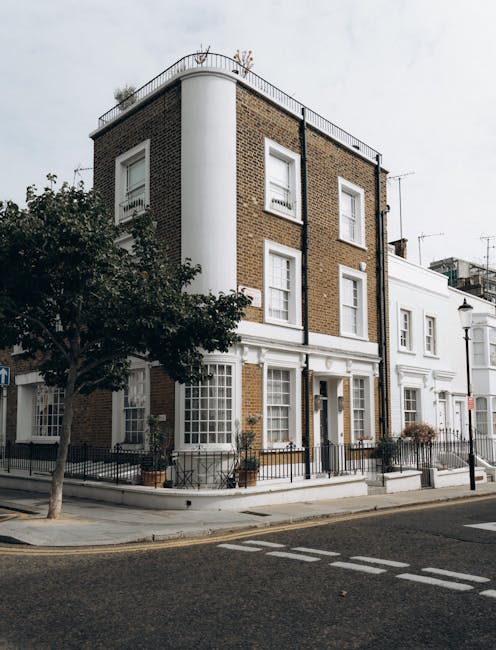
Victorian homes in Notting Hill have a kind of charm that is hard to fake: the creak of old timber, original parquet that catches the afternoon light, and hallway floors that have quietly survived decades of London life. But that character comes with a catch. Avoiding Damaged Floors in Victorian Notting Hill Homes is not just a nice-to-have; it is part of protecting the value, look, and long-term condition of the property.
Whether you are moving furniture, planning a refurbishment, renting out a flat, or simply trying to keep a beautiful period floor from becoming scuffed and tired, the same principle applies: old floors need gentler handling than modern ones. A little planning goes a long way. And yes, sometimes the smallest mistake is the one that leaves the longest mark.
In this guide, you will find practical ways to reduce scratches, dents, stains, and hidden structural strain. We will look at why these floors are so vulnerable, how to protect them properly, which methods work best, and what mistakes people keep making in real homes around Notting Hill. If you are moving soon, it may also help to read about insurance and safety and the practical planning advice in packing and boxes guidance.
Quick takeaway: Victorian floors are resilient in some ways, but they are not forgiving of point pressure, dragging, moisture, and rushed moving days. Protect the surface first, then manage the load, then check the aftercare. That order matters.
Why Avoiding Damaged Floors in Victorian Notting Hill Homes Matters
Victorian floors are often original, which means they are part of the home's fabric, not just a finish you can casually replace. In a Notting Hill terrace, maisonette, or converted flat, the floor might be solid timber, engineered wood laid over old boards, encaustic tiles in a hallway, or a mix of surfaces that have been repaired over the years. Each one reacts differently to pressure, movement, and humidity. That is where the trouble starts.
Damage is rarely dramatic at first. It begins with a faint scrape from a chair leg, a dent from a box corner, or a splash of water that lingers a bit too long. Then one day you notice the floor looking patchy, worn at the thresholds, or slightly uneven underfoot. Truth be told, most floor damage is boringly ordinary. It happens during normal life: moving day, a sofa shuffle, a dinner party, a delivery, a quick DIY job.
In Victorian properties, the stakes are higher because:
- original boards and parquet are often difficult to match exactly
- older subfloors may flex more than modern ones
- previous repairs can hide weak spots
- hallways and stair landings are narrow, so items get twisted, lifted, or dragged
- period finishes can show even light scuffing very quickly
For homeowners, landlords, and tenants alike, a floor repair can become expensive, disruptive, and visually awkward. For people moving into or out of a property, a damaged floor can turn a routine move into a dispute. If that sounds familiar, the practical advice in removals in Notting Hill and house removals support may also be useful as part of the planning stage.
How Avoiding Damaged Floors in Victorian Notting Hill Homes Works
Protecting a floor is really about managing three things: pressure, movement, and contact. If you reduce the force at the surface, reduce dragging, and stop grit from sitting underneath furniture or equipment, you prevent most of the common damage patterns.
There is also a fourth factor: time. The longer a floor stays exposed during a move or refurbishment, the more likely someone will step on grit, slide a heavy object, or leave moisture behind. That is why floor protection is best treated as a process, not a one-off fix.
In practical terms, the process usually looks like this:
- Inspect the floor before work begins.
- Remove loose grit, dust, and small debris.
- Cover vulnerable routes with suitable protective material.
- Lift furniture and equipment rather than dragging it.
- Use proper sliders, runners, or boards under load-bearing items.
- Monitor the area during the day and adjust if protection shifts.
- Remove coverings carefully so trapped dirt does not scratch the surface on the way out.
That may sound straightforward, but the details matter. For example, not every protective cover is suitable for every floor. A breathable timber floor may tolerate felt and board protection very differently from old tiles in a hallway. Similarly, a soft covering placed directly on a dusty floor can trap grit and cause fine abrasion the moment someone walks over it. Small thing, big consequence.
If you are coordinating a move, it helps to combine floor protection with route planning and sensible access handling. The local access advice in Westbourne Park loading tips and Portobello Road moving tips shows how narrow entrances and awkward parking can make careful handling even more important.
Key Benefits and Practical Advantages
It is easy to think of floor protection as a defensive measure only. It is more than that. Done properly, it makes the whole property easier to manage, especially in older Notting Hill homes where access can be fiddly and floor finishes are part of the property's appeal.
- Less visible wear: you preserve the appearance of original boards, stair treads, and hallway tiles.
- Lower repair risk: fewer scrapes, dents, stains, and edge chips means fewer callouts later.
- Smoother moving days: teams can work more efficiently when routes are protected and clearly laid out.
- Better tenant and owner relations: clear care around the floor reduces avoidable disputes.
- Protection of character features: period flooring often adds to the home's value and atmosphere.
- Cleaner finish after work: good protection usually means less dust and fewer marks to deal with afterwards.
There is also a psychological benefit that people underestimate. When the floor is protected, everyone naturally slows down a little. They behave more carefully. That tends to reduce the "just this once" moments that lead to damage. A floor runner can change behaviour. Not glamorous, but true.
For landlords or property managers, it can be sensible to pair floor protection with broader planning, such as arranging secure storage through storage in Notting Hill when furniture needs to come out of a room before work starts. Removing clutter from the path gives protection a better chance of actually doing its job.
Who This Is For and When It Makes Sense
This topic matters to more people than you might expect. If you live in a Victorian property, the chances are that at some point you will have to move something heavy through a narrow hall or protect a floor during work. That is the reality of older homes.
You will benefit from this approach if you are:
- moving into a Victorian flat or house in Notting Hill
- moving out and want to avoid end-of-tenancy disputes
- renovating a kitchen, hallway, or reception room
- having furniture delivered or collected
- rearranging large pieces in a compact period home
- running a short-term let or preparing a property for sale
- managing a rental where keeping the condition consistent matters
It also makes sense whenever you have a mix of old floor types in one property. For instance, the hallway may be tiled, the living room may have wood, and a rear extension may have a different finish altogether. One protection method rarely suits every surface. That is where a bit of judgement saves hassle.
If you are still deciding how much help you need, the overview on services and moving support can help you think through the scale of the job. And if you are comparing property types or planning a move in the area, is Notting Hill right for you? offers helpful local context.
Step-by-Step Guidance
Here is a simple, sensible way to approach floor protection in a Victorian Notting Hill home. Nothing fancy. Just the stuff that tends to work.
1. Identify the most vulnerable areas
Start with entrances, hallways, stair landings, corners, and any room where large items will turn. These are the zones that usually take the first hit. If you have narrow doors or a steep internal stair, give those extra attention. They are the usual suspects.
2. Clean the floor properly first
Protective covering works best on a clean, dry surface. Sweep, vacuum, and remove grit before anything is laid down. On timber or tile, even tiny stones can scratch when stepped on. It sounds obvious, but in a busy move people skip this step all the time.
3. Choose the right protective material
Match the material to the job. Light pedestrian traffic may only need temporary coverings, while heavy furniture routes need more robust protection. If you are moving a piano, dresser, bookcase, or white goods, the floor beneath should be protected as if the item may be set down twice, not once. That mindset helps.
4. Protect the route, not just the destination
People often protect the room where the furniture will end up and forget the corridor, stairs, and thresholds. That is where damage usually happens. Cover the whole travel line, not just the final spot.
5. Lift rather than drag
Dragging creates concentrated friction and often catches on worn edges. Even a small shift can mark an old floor. Use two people for awkward items where possible. If an item is too heavy to lift safely, that is a sign to slow down and use proper handling methods.
6. Check and reset protection during the day
Floor protection moves. Tape loosens, runners bunch up, and dust gets under edges. A quick check between jobs helps prevent a harmless-looking cover from turning into a hazard or a scratch trap. A bit annoying, yes, but worth it.
7. Remove protection carefully
When the work is done, take coverings off slowly and inspect the surface as you go. If dust has gathered underneath, do not drag the covering back across the floor. Lift it out and clean the area afterwards.
If you are moving delicate or bulky pieces, the specialist guidance on furniture removals and piano removals can be especially relevant, because those jobs tend to place the most strain on older floors.
Expert Tips for Better Results
In our experience, the best floor protection plans are the quiet ones. No drama, no improvising halfway through, no "that should be fine" energy. Just a few careful decisions before the first item moves.
- Use edge protection at corners and thresholds. Victorian doorways can chip easily, especially where old timber has worn thin.
- Keep wet items away from untreated wood. Rainy London days happen. Wipe trolley wheels, parcel bottoms, and plant pots before they cross the threshold.
- Watch for grit under shoe soles. It sounds small, but hallways collect dust fast, especially in busy homes.
- Test a small patch first if you are unsure. Better a five-minute check than a permanent mark.
- Use a landing zone for deliveries. A clear spot just inside the door can reduce the temptation to drop boxes on the nearest bit of floor.
- Plan turning space. Most floor damage happens when a heavy item changes direction, not when it moves straight ahead.
One more thing: do not let tape touch every surface without thinking. Some adhesives leave residue, and old varnish can react badly if tape stays in place too long. If you are unsure, use a gentler method or test it first. The old wood has a memory, so to speak.
When time is tight, a same-day clearance or move can make protection even more important. For those situations, same-day removals in Notting Hill is the kind of service people often look at when they need pace without turning the floor into collateral damage.

Common Mistakes to Avoid
Most floor damage in period homes is avoidable. The trouble is that the mistakes are usually simple and feel harmless in the moment.
- Dragging furniture across old floors. This is the classic one. Even a short drag can leave a long scratch.
- Using the wrong protective layer. Soft material over grit is not protection; it is a scratch machine with better branding.
- Ignoring stairs and corners. Straight routes are easy. Turns are where the pressure spikes.
- Leaving moisture on timber. Rain, spills, and condensation can all cause staining or movement in older boards.
- Assuming all Victorian floors are the same. They are not. A polished hallway tile, softwood board, and parquet all need different treatment.
- Overloading one trolley or dolly. It may save time for a minute. It usually costs more time later.
- Not checking for hidden weak spots. Some floors have previous repairs, lifted boards, or hairline cracks that only show under pressure.
There is also the classic "we only need to move it a few feet" mistake. A few feet is often enough. The floor does not care how short the journey was. It only remembers the pressure.
For more context on avoiding rushed or poorly planned moves in compact streets, the local moving advice in Ladbroke Grove moves and parking tips and same-day moves in Notting Hill is worth a look.
Tools, Resources and Recommendations
You do not need a warehouse full of specialist gear to protect a Victorian floor, but having the right basics makes a huge difference.
| Tool or material | Best use | Why it helps |
|---|---|---|
| Clean dust sheets or floor runners | Light to moderate foot traffic | Reduces wear and keeps dirt off the surface |
| Temporary floor protection boards | Heavy furniture routes | Spreads load and resists dents |
| Felt pads and sliders | Furniture repositioning | Reduces friction when moving smaller items |
| Blankets or padded wraps | Protecting item bases and edges | Helps stop sharp corners biting into the floor |
| Vacuum and microfibre cloths | Pre-cleaning | Removes grit before protection goes down |
| Low-tack tape, if suitable | Securing temporary coverings | Keeps runners in place without excessive residue |
Recommendation-wise, think in layers. A soft cover can be useful, but it often needs a stable base underneath for heavy work. A rigid protective layer can be excellent, but only if the floor beneath is clean and dry. One without the other is not enough. And yes, it is slightly boring to say that. Still true.
If you need broader support with the move itself, man and van in Notting Hill, man with van services, and removal van options can be useful starting points for planning transport that suits a tighter Victorian layout.
Law, Compliance, Standards, or Best Practice
Floor protection in a private Victorian home is usually a matter of best practice rather than a specific standalone legal rule. Even so, there are sensible UK expectations around safety, damage prevention, and good care when work is being done in a property.
If you are a landlord, tenant, or property manager, it is wise to think in terms of duty of care, reasonable maintenance, and clear communication. If contractors are on site, they should work in a way that avoids unnecessary damage, and the access route should be planned so nobody is trying to carry heavy loads through an unprepared hallway at speed.
For removals and similar work, practical best practice usually includes:
- assessing the floor condition before moving starts
- protecting known vulnerable surfaces
- keeping walkways clear and dry
- handling heavy objects with suitable equipment
- recording obvious pre-existing damage where relevant
- making sure any temporary protection does not create a trip hazard
Where insurance or safety arrangements are involved, it is worth reading the site's own pages on insurance and safety and health and safety policy. Those pages can help set expectations before work begins. If you are comparing removal providers, removal companies in Notting Hill is a sensible place to continue your research.
Options, Methods, or Comparison Table
Different jobs call for different levels of protection. Here is a plain-English comparison that can help you choose the right approach.
| Method | Best for | Strengths | Limitations |
|---|---|---|---|
| Dust sheets / runners | Light foot traffic and short jobs | Quick to lay, inexpensive, flexible | Can slip, bunch, or allow grit underneath |
| Quilted or padded covers | Furniture movement and general protection | Good cushioning, easy to position | May not spread heavy load enough on their own |
| Rigid boards | Heavy equipment, repeated traffic, long routes | Strong load distribution, better resistance to dents | Bulkier, more time to install |
| Furniture sliders | Small to medium item repositioning | Reduce friction, easy to use | Not enough for large or awkward loads |
| Professional floor protection system | High-value or complex properties | Most controlled, best for layered protection | Usually more planning and cost involved |
For many Victorian Notting Hill homes, the best answer is a combination rather than one single method. For example, a clean runner in the hall, boards on the main route, and sliders for smaller repositioning jobs can work very well. Nice and boring. That is exactly what you want.

Case Study or Real-World Example
Here is a realistic example based on the sort of job people commonly face in the area.
A family in a Victorian Notting Hill maisonette was moving out after six years. The property had original timber in the reception room, a narrow hallway, and worn tile at the entrance. They were taking out a sofa, a dining table, several bookcases, and a heavy sideboard. In a hurry, it would have been easy to take the shortcut: open the front door, get the items out, and hope for the best. That route usually ends badly.
Instead, they prepared the route properly. The hallway was vacuumed, the timber was covered with a clean protective runner, and the tile threshold was padded so the edge would not chip when the trolley turned. The heaviest furniture was lifted by two people rather than dragged by one, and the team paused at each turn to reset their grip. A small landing zone was kept clear near the door so boxes did not get dumped on the nearest floor space.
The job was slower at the start, but smoother overall. No fresh scratches, no scuffed edges, no last-minute panic with the landlord or agent. More importantly, the floor still looked cared for once the property was empty, which made the handover feel less like a battle and more like a clean finish. Sometimes that is all anyone wants, really.
That kind of careful planning is also useful when moving large or awkward items with furniture removals in Notting Hill or arranging a move in a tight property through flat removals support.
Practical Checklist
Use this before any move, delivery, or refurbishment in a Victorian Notting Hill home.
- Inspect the floor for weak spots, loose boards, chips, and existing marks.
- Vacuum or sweep all routes before protection is laid down.
- Protect entrances, hallways, stairs, corners, and turning points.
- Use the right material for the weight and frequency of traffic.
- Lift heavy items instead of dragging them wherever possible.
- Keep wet items and muddy footwear off untreated timber.
- Check that temporary protection is not slipping or folding.
- Take extra care around thresholds, skirting, and door edges.
- Remove protection slowly and clean underneath afterwards.
- Document any pre-existing damage before the job starts, if relevant.
Get a free quote today and see how much you can save.
Conclusion
Victorian floors in Notting Hill are part of what makes these homes feel special, but they need a more careful touch than newer properties. If you protect the route, manage the load, and avoid dragging and moisture, you will prevent most of the damage that causes stress later. That is the short version, anyway.
The real secret is consistency. Do the small things well before the first item moves, and the floor will usually reward you by staying looking like a proper period feature rather than a tired afterthought. And in a home with this much character, that matters more than people admit.
If you are preparing a move or a larger project and want a bit more practical support, explore the wider guidance on removal services in Notting Hill, man with a van options, or contact the team when you are ready to talk through the details. A careful plan now can save a lot of fuss later, and that is never a bad thing.


 CALL US NOW


